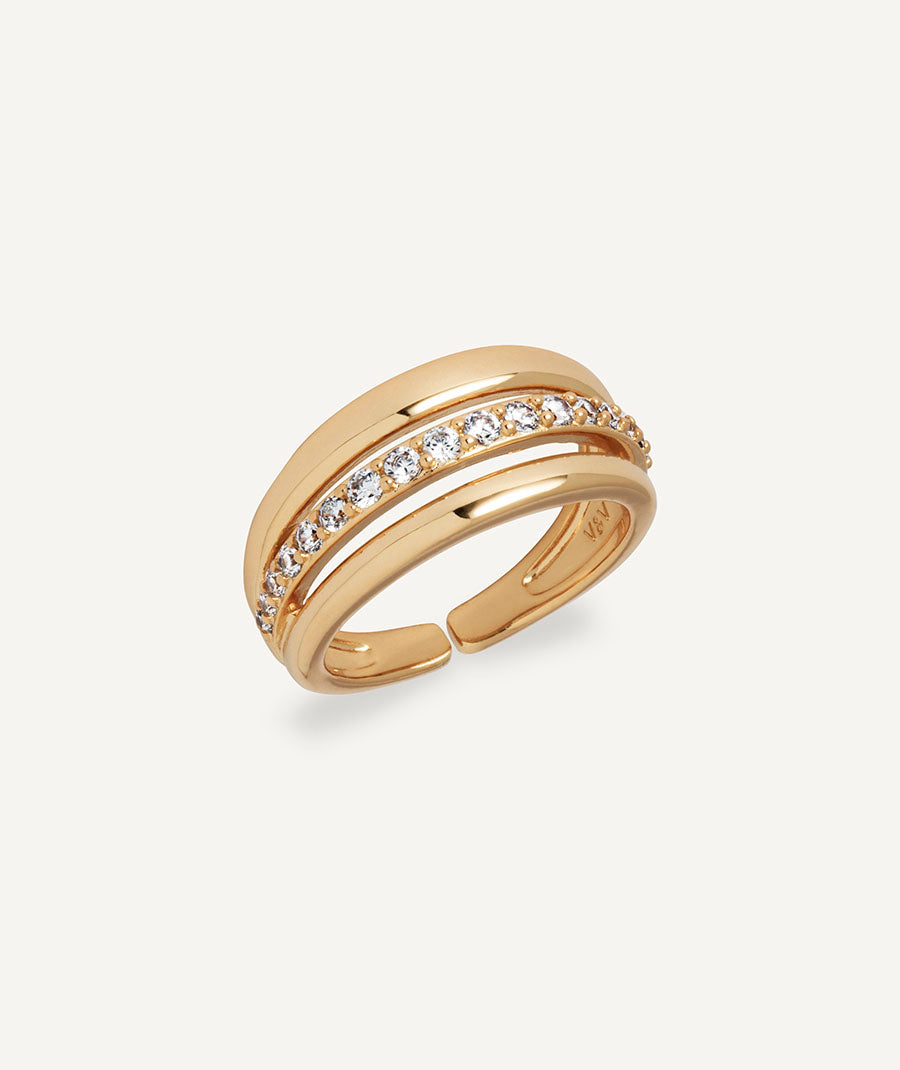
If you’ve ever noticed your silver jewelry taking on a dark tone, don’t worry — it doesn’t mean they’re dirty or damaged.
 |
The phenomenon you’re seeing is called patina, a natural process that gives your accessories a unique character, although it may be undesirable at times. While at VIDAL & VIDAL we apply an anti-oxidation finish to each of our silver pieces to prevent it, in this article we’ll help you identify the factors that influence patina and restore the original shine of your entire collection. Keep reading!
What is patina and why does it appear on silver jewelry?
Patina is a superficial layer that forms on some metals as a chemical response to their environment. In essence, it’s the mark of time and use reflected on jewelry. The main factor behind this darkening is the presence of sulfur in the air, which reacts with silver to form a new substance, black or yellowish in color, commonly known as patina or tarnish.
However, air isn’t the only culprit, as there are other everyday elements that can contribute to this effect:
- Skin pH: the more acidic it is, the more likely your jewelry will darken sooner.
- Use of certain products: some perfumes, cosmetics, or cleaners contain chemicals that react with silver.
- Humidity and location: in areas with high humidity or heavy pollution, this metal tends to lose its shine more quickly.
It’s important to learn how to distinguish between natural patina, the gradual darkening caused by one or more of the reasons mentioned, and the patina intentionally applied by jewelers. In many designs—especially those with reliefs or intricate details—controlled oxidation is used to create contrast and further highlight the beauty of the result with a highly appreciated “aged” look.


Tips to keep silver patina at bay
Although patina can have its charm, if you prefer to keep your silver pieces with their original shine, you can slow its appearance in simple ways:
- Jewelry goes last. Put it on as the final step in your personal care routine, that is, after applying creams, perfumes, makeup, or any other cosmetic. This minimizes contact with chemicals.
- Store it carefully. The best place is a closed jewelry box, preferably in separate compartments to avoid scratches. Add a moisture-absorbing sachet or keep pieces in fabric bags with an airtight closure.
- Water, in moderation. Constant exposure to humidity can accelerate patina formation, so try to remove jewelry before showering and especially before swimming in a pool or the sea.
- Wear it often. Although it may seem counterintuitive due to skin pH, friction from skin or clothing acts like a gentle, constant polish, so wearing jewelry frequently helps keep it in good condition.


How to clean patina and bring back the shine to your silver jewelry
If tarnish has already appeared on your silver accessories, removing it is easier than you might think. Here are several solutions:
Home remedies for light patina
- Water and neutral soap. For maintenance cleaning, gently scrub with a soft brush to reach all areas. Rinse well and dry with a lint-free cloth.
- Water and baking soda. Make a paste with both ingredients, apply it to the piece, and gently rub with your fingers or a soft cloth. Rinse and dry thoroughly. Note that this method is not recommended for porous stones such as turquoise, opal, or pearls.
Solution for more persistent patina
This method is based on a chemical reaction that transfers the tarnish from the jewelry to another surface. To do this:
- Line a glass container with aluminum foil.
- Add hot water, one tablespoon of salt, and one of baking soda.
- Submerge the pieces so they come into contact with the foil.
- Leave them to soak for a few minutes until the patina disappears.
- Remove carefully, rinse with clean water, and dry with a soft cloth.
As with the baking soda technique, it is not advised for delicate gemstones.


Professional options for patina if you don’t want to take risks
If you’re unsure whether you can use the home methods we explained above, you can opt for specific products:
- Special polishing cloths: cloths impregnated with a solution that polishes and instantly restores shine. Ideal for quick touch-ups.
- Liquid cleaners: solutions in which the silver piece is submerged for a few seconds to take effect. Although highly effective, it’s essential to follow the manufacturer’s instructions and use them in a well-ventilated area.
- Expert treatments: you can visit a professional to assess the condition of the piece and decide on the most suitable solution.
 |
In short, patina is a testament to the passage of time on your silver jewelry. While it’s possible to appreciate it, you can always restore the original shine with a bit of daily prevention and periodic maintenance. A small effort that is certainly worth it.